
The Immersive Advantage: How 360° Virtual Tours Are Revolutionizing Retail and Real Estate


In today’s high-speed digital landscape, capturing user attention is no longer about having the loudest voice—it is about offering the clearest view.
For years, flat imagery and static text were the standards for digital storefronts. But as consumer behavior shifts towards “experience-first” decision-making, these traditional methods are losing their potency. Enter the 360° Virtual Tour—a technology once reserved for novelty marketing that has matured into a critical conversion engine for the Real Estate and Retail sectors globally.
A fundamental shift is occurring: users no longer just want to see a product or property; they want to be there. This article explores why immersive technology is the new competitive edge and how it drives tangible ROI for forward-thinking businesses.
The “Sticky” Factor: Why Search Engines Love Virtual Tours
Before diving into industry applications, it is crucial to understand the technical marketing advantage. In the world of SEO, “Dwell Time”—the length of time a visitor spends on your page—is a significant ranking signal.
A standard webpage might hold a user’s attention for 45 seconds. However, pages with interactive 360° elements frequently see dwell times triple or quadruple. Why? Because the user is no longer a passive observer, they are an active participant, clicking, dragging, and exploring.
- Reduced Bounce Rate: Interactive content signals to search engines that your site is valuable, lowering the percentage of users who click “back” immediately.
- Visual Authority: High-quality immersive media establishes trust. A blurry photo raises questions; a crystal-clear 360° view answers them.
- Mobile Engagement: With over 60% of engagement now happening on mobile devices, the tactile nature of swiping through a room or store fits perfectly with modern browsing habits.
Sector 1: The 24/7 Open House (Real Estate)
The modern property market is fast, competitive, and increasingly international. For real estate agencies, the traditional “open house” model has inherent limitations: scheduling conflicts, geographic barriers, and the sheer time cost of physical viewings.
1. Filtering for “Serious” Buyers
Virtual tours act as a powerful pre-qualification tool. By allowing potential buyers to walk through a property digitally, you filter out casual lookers from serious leads. When a client contacts an agent after a virtual tour, they are already familiar with the layout, the lighting, and the flow of the space. They aren’t asking, “What does it look like?”—they are asking, “When can we sign?”
Data Insight: Listings with virtual tours receive 87% more views than those without, and potential buyers spend 5-10 times longer on these websites.
2. Capturing the Remote Investor
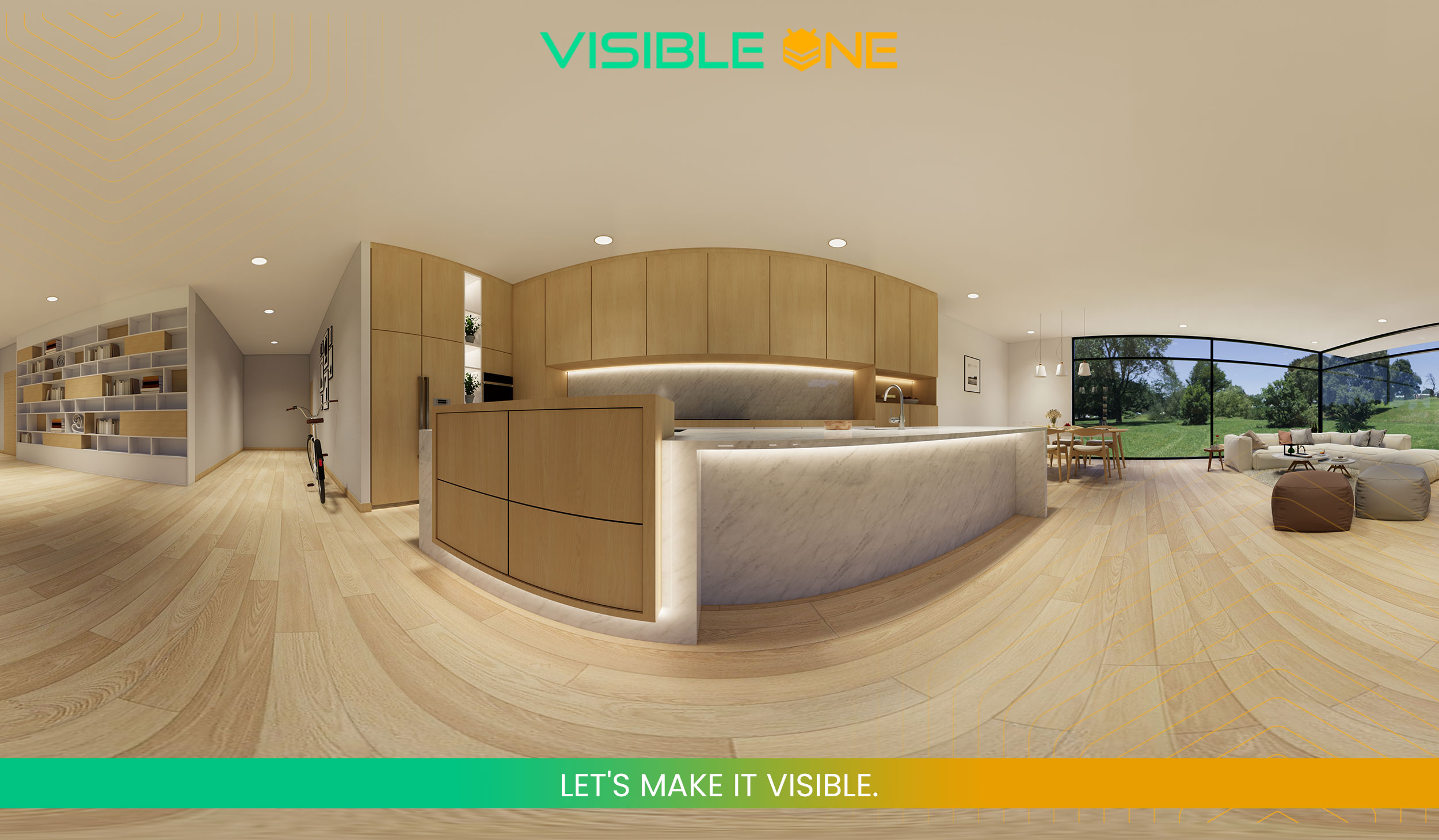
Real estate is no longer bound by geography. A 360° tour allows an investor or buyer to inspect a property from across the country or overseas without boarding a flight. This capability expands the total addressable market from “people in the local area” to “people everywhere.”
3. The “Unstaged” Trust
While professional photography can sometimes be accused of using “clever angles” to hide flaws, a continuous 360° view offers transparency. This honesty builds immediate rapport with the buyer, reducing friction during the negotiation phase.
Sector 2: The Rise of “V-Commerce” (Retail)
E-commerce is evolving into “V-Commerce” (Virtual Commerce). The gap between the brick-and-mortar experience and the online shopping cart is closing.
1. The Virtual Showroom
Imagine a customer walking through a flagship store downtown from their sofa in the suburbs. They can look up at the lighting fixtures, zoom in on the texture of a luxury handbag, or read the label on a wine bottle.
Interactive “Hotspots” within the tour allow users to click on items they see on the shelves. A pop-up appears with price details, specifications, and a direct “Add to Cart” button. This seamless integration of exploration and transaction is the future of high-end retail.
2. Contextual Selling
Standard white-background product photography lacks context. A 360° tour places the product in its native environment.
- Furniture Retailers: Show how the sofa sits in a fully decorated living room.
- Boutique Fashion: Let users explore the curated aesthetic of a shop, which communicates brand identity far better than a grid of thumbnails ever could.
Data Insight: Brands using immersive technologies like AR and virtual tours have seen conversion rates increase by up to 189%, largely because it removes purchase uncertainty.
The Psychology of Control
Why are these tours so effective? The answer lies in agency.
Video content, while powerful, is linear. The director chooses what you see and when you see it. In a 360° tour, the user is the director. They choose where to look, when to zoom, and where to move next.
This sense of control creates a psychological sense of ownership. In real estate, this is known as “mental possession”—the moment a buyer begins to imagine their own furniture in the space. In retail, it mimics the “treasure hunt” excitement of physical shopping, triggering emotional engagement that static pages simply cannot replicate.
Implementing Your Immersive Strategy
Creating a high-impact virtual tour requires more than just a 360° camera. It requires a strategic integration of Web Design, UX/UI, and Server Performance.
To succeed, businesses must treat Virtual Tours as an integrated part of their digital ecosystem, not a standalone gimmick.
- Seamless Integration: The tour must load instantly within the existing website architecture without slowing down page speed.
- Custom Branding: The interface should look like the brand, with custom navigation skins, fonts, and colors—not a generic third-party interface.
- Mobile Optimization: Rigorous testing on all devices is essential to ensure the experience is fluid whether the customer is on a smartphone, tablet, or desktop.
- Security: High-definition assets must be delivered securely via robust hosting solutions to protect both the business and the user.
Ready to Open Your Digital Doors?
The market is moving towards immersion. Whether selling luxury properties or curating a boutique retail experience, a 360° Virtual Tour acts as a 24/7 salesperson, welcoming guests from around the world.